Why We Built VovoCare
VovoCare was born from a very personal frustration: loving family from a distance, watching dementia enter our lives, and realising just how fragmented and undignified elder care can feel when you are trying to help from abroad.
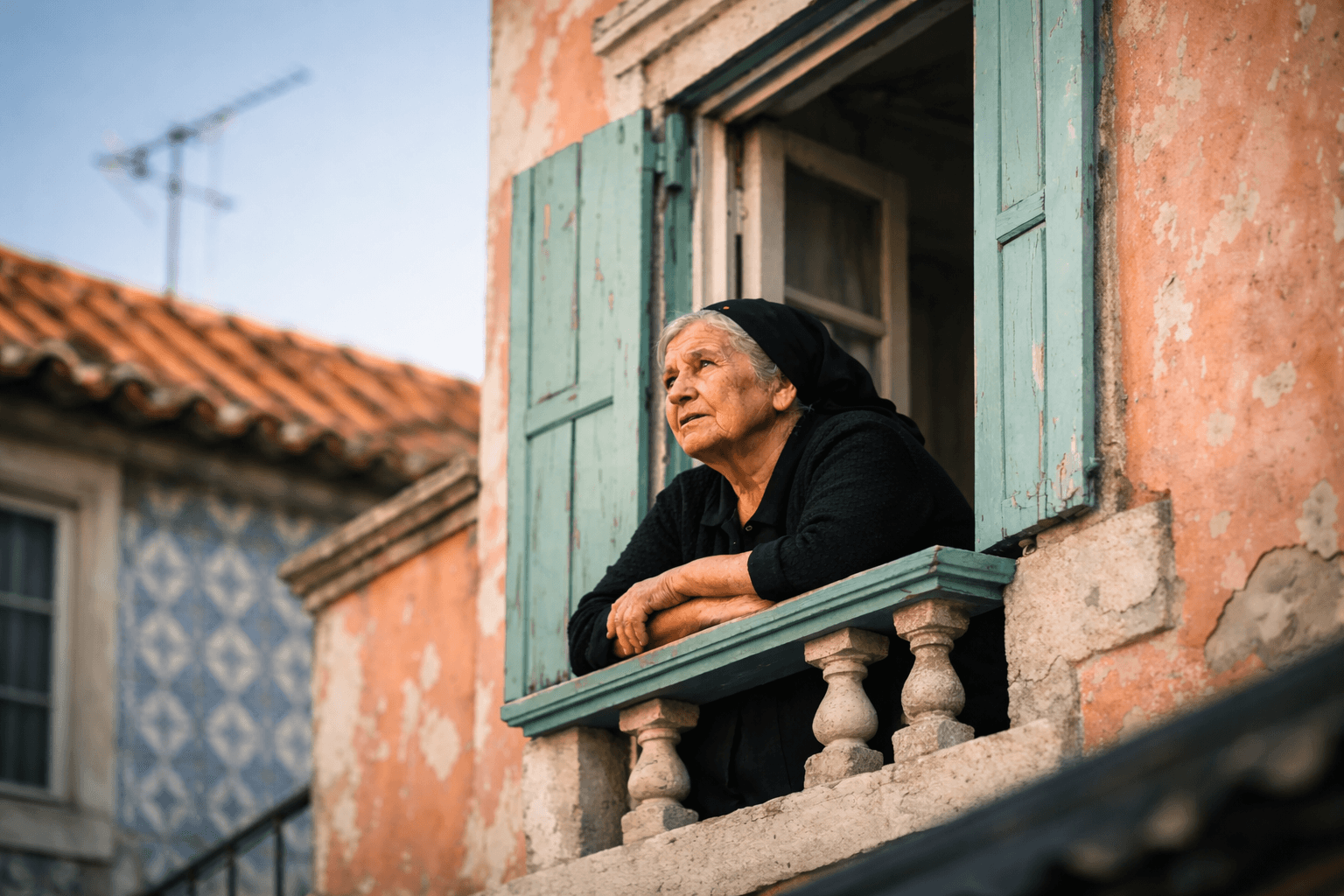
VovoCare did not begin in a boardroom. It began somewhere between China, Luxembourg, the Netherlands and Portugal.
I was living abroad, building a life, working, moving, doing what so many of us do. And while life was moving forward in one direction, something else was happening quietly back home: my father was developing dementia.
That changes everything.
Distance stops being geography and starts becoming weight. Every phone call feels more urgent. Every unanswered message feels heavier. And a question starts following you everywhere: how do I make sure someone I love is truly okay when I am not there?
When I tried to find care in Portugal, I ran into a system that too often felt improvised, fragmented and deeply undignified. Not always because people did not care, but because the experience itself lacked clarity, trust and continuity. Families were expected to stitch things together on their own, as if love plus panic plus a few phone numbers somehow counted as a care strategy. Spoiler: it does not.
That was the moment something became very clear to me. Our elders deserve better. They deserve to be seen as people, not logistics. They deserve support that feels human, respectful and calm. And families deserve a way to care without being crushed by guilt, distance and uncertainty.
So we decided to do something about it.
VovoCare was born from the belief that technology should make care more human, not less. That the right support at home can protect dignity instead of taking it away. That trust is not a luxury in elder care; it is the foundation.
We did not build VovoCare because it sounded like a good business idea. We built it because the alternative felt unacceptable.
No one should have to grow old feeling like a burden. No family should have to manage care through crossed fingers and a WhatsApp thread. And no elder should lose dignity just because the people who love them happen to live in another country.
That is how VovoCare showed up: as a personal promise turned into something bigger.
The promise behind every visit
This commitment aligns closely with current best-practice language in care: the World Health Organization describes people-centred care as care that responds to people's needs, respects their preferences, supports participation, and coordinates services around real lives. WHO also frames older-age support around dignity, continuity, and the ability to age with the right support around you.